
Follow-up kept
Reminders stay on schedule, and anything unusual goes back to a named person.
Where the example stands
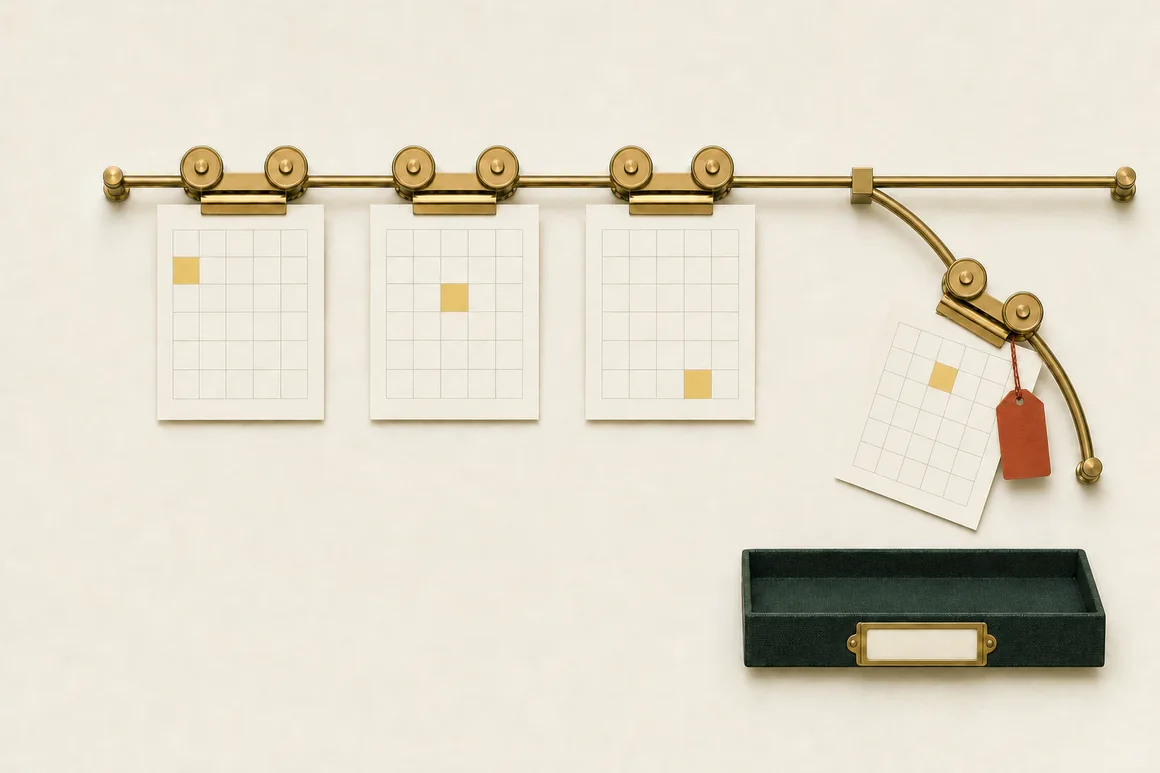
The reply has gone out. The patient has not chosen a time yet, so the inquiry is still open.
In the fourth step, the agents keep the inquiry moving. The example can go on in two ways, and both can happen to the same inquiry.
Two ways the example can go on
- Reminder prepared
Waiting forThe patient to choose a place
ReminderA short draft in the clinic's own words
Goes outOnly after approval
StatusWaiting for approval
- Goes to a named person
Patient asksWhether the clinic works with a particular insurer
Approved answerNone
DraftNone
Sent toThe front desk
StatusWaiting for a person
How follow-up is kept
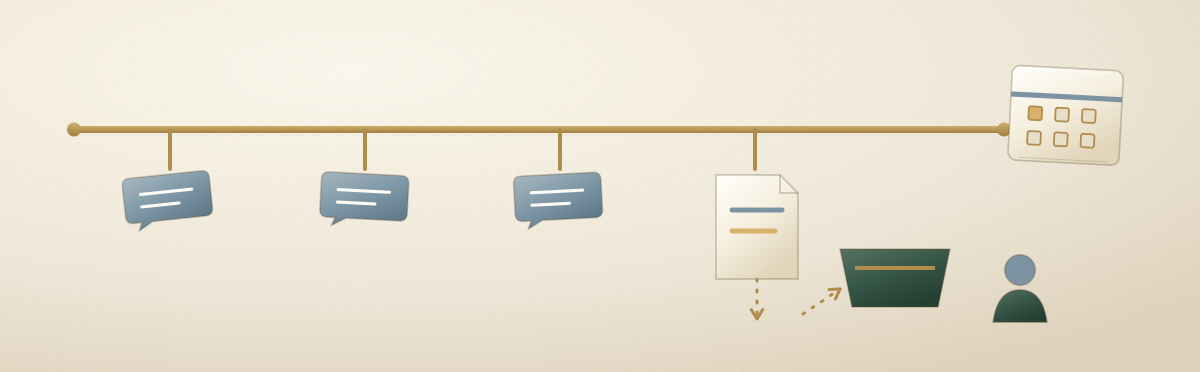
Every inquiry is followed up until the person books, enrolls, joins, or says no. The agents prepare the reminders and keep them on schedule, within the limits you set. Like any other message, a reminder is drafted for a person to approve before it goes out.
Anything unusual goes back to a named person. Your team decides how to handle an unusual or sensitive inquiry, and chooses the promise, the price, and the tone. Clinical and price questions go to a clinician or a sales lead. The weekly view shows what moved and what is missing, so a follow-up that has not happened is visible.
Which follow-ups the agents prepare
The scope band you agree sets what the agents do. The first band covers inquiries, answered and followed up until they book. The second adds recall, which means getting in touch with clients who have not been back. The third adds treatment-plan or trial follow-up, which keeps an agreed plan or a trial moving to the next step.
Recall reaches people who are overdue for a visit, a treatment cycle, or a membership, and rebooks them. Care reminders are kept apart from promotional offers.
Other businesses use the same step in their own way. A fitness club prepares renewals ahead of time rather than chasing them afterward, and members whose visits fall off are noticed early. A clinic asks satisfied clients for a review at the right moment.
Appointments, reminders, and empty slots
The aim set in the proposal is that appointments are confirmed, reminders go out, and canceled slots are offered to people who are waiting. No-shows and refilled slots are counted from your agenda against a baseline.
This is offered only together with another workflow. Like any other message, these reminders are drafted for a person to approve.
What happens next
In the example, the patient chooses the Friday evening place, and the clinic's team books the visit. The record keeps every step of it.
See what you could delegate.
A free, no-commitment 30-minute conversation. You leave with a clearer picture, whether or not you work with us.